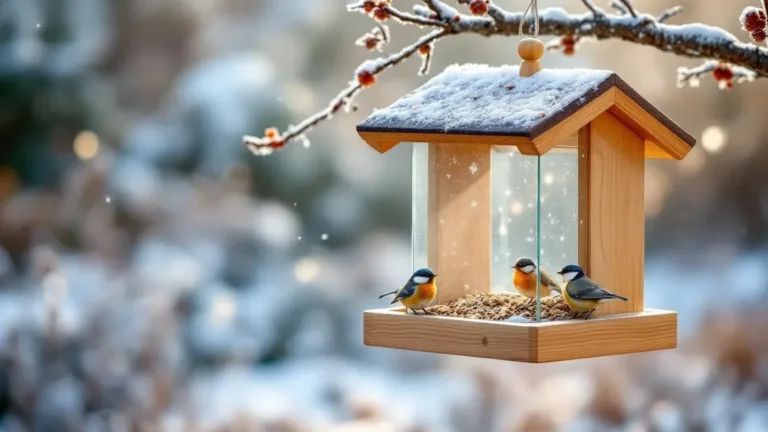
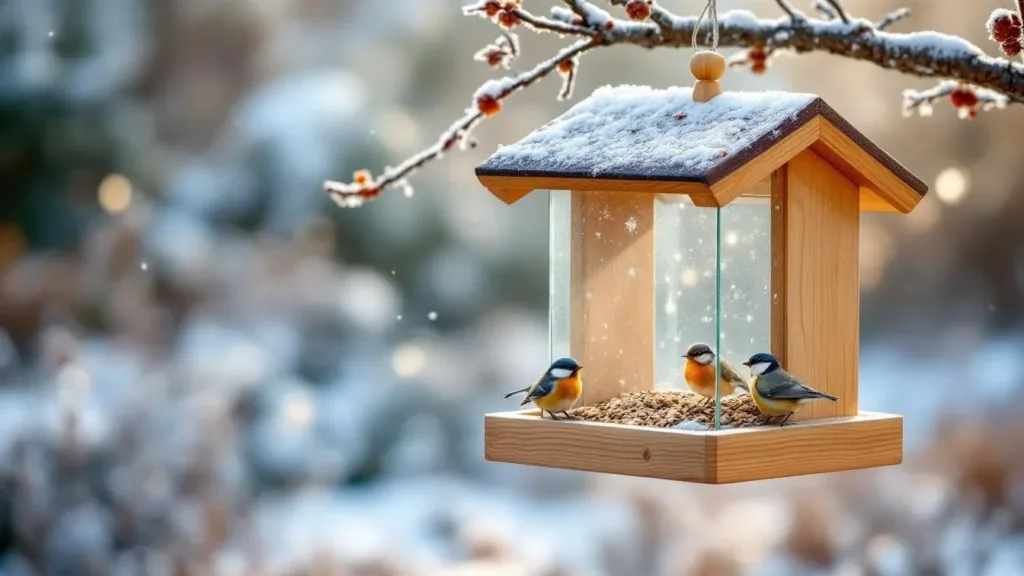

As January settles in, the landscape may appear stark and uninviting, but it’s the perfect opportunity to connect with nature by building a DIY bird feeder. This rewarding project not only offers a chance to enhance your garden but also plays a crucial role in supporting local wildlife during the coldest months. Many birds struggle to find food when natural sources are scarce, making a homemade feeder a lifeline for these charming creatures. Creating a space to observe and nourish birds can transform your outdoor area into a vibrant habitat and provide hours of entertainment.
Understanding the Benefits of Bird Feeders in Winter
Providing food for birds during winter can dramatically influence their survival rates. Birds rely on feeders when food sources dwindle. A well-stocked feeder can make a significant difference in their health and energy levels. By watching these fascinating creatures, you deepen your appreciation for nature and contribute to biodiversity in your community. Besides, the simple act of feeding birds fosters a sense of responsibility and connection to the ecosystem, making it a fulfilling way to spend time outdoors.
Choosing the Right Materials for Your Bird Feeder
When designing a DIY bird feeder, the materials you select are crucial for its durability and effectiveness. Opt for materials that withstand the elements and are safe for birds:
- Wood: Natural options like cedar and redwood resist rot and decay. Avoid treated lumber, as chemicals can be harmful to birds.
- Acrylic or Plastic: Clear panels allow visibility of seed levels and protect food from moisture. Ensure that the plastic is UV-resistant to prevent cracking.
- Metal Components: Screws provide stronger support compared to nails. A metal roof can deter pests like squirrels from getting to the food.
Best Placement for Your DIY Bird Feeder
Choosing the right location for your bird feeder is key to attracting a variety of species. Consider these placement tips:
- Position the feeder at least 6-10 feet away from trees and fences to deter predators.
- Place it near cover, like shrubs or branches, to give birds a quick escape route without providing too much hiding space for potential threats.
- Ensure the feeder is sheltered from harsh winds and rain by placing it under eaves or branches, keeping the food dry and accessible.
Deterring Pests from Your Feeder
To keep your feeder focused on helping birds, effective deterrents against squirrels and other pests are essential:
- Squirrel Baffles: Install barriers above or below the feeder to prevent climbing.
- Pest-Resistant Design: Weight-sensitive feeders close access when heavier animals are detected. Cage-style feeders allow birds in while keeping larger pests out.
- Spicy Seeds: Coating seeds with cayenne pepper can deter squirrels without harming birds.
Maintaining Your Bird Feeder
Regular upkeep is vital for the health of visiting birds:
- Clean the feeder about once a week during warmer months and bi-weekly in winter.
- Scrub with warm, soapy water and disinfect with a vinegar solution before refilling.
- Store excess seeds in a sealed container to prevent moisture and spoilage.
Incorporating a homemade bird feeder into your January activities enriches your garden and your connection with local wildlife. By providing food and observing these birds, you not only enhance your winter experience but contribute to the community’s ecosystem.
What materials do I need to build a bird feeder?
You’ll need a container (like a bottle or wooden box), perches (wooden dowels), twine for hanging, scissors, and birdseed.
How often should I clean my bird feeder?
Clean your bird feeder at least once a week during warmer weather and every two weeks in cooler temperatures to prevent mold.
Where’s the best place to hang a bird feeder?
Hang the feeder away from potential predators, near shrubs or branches for shelter, and shielded from harsh weather.
How can I deter squirrels from my bird feeder?
Use squirrel baffles, weight-sensitive feeder designs, and consider using spicy seeds to keep squirrels at bay.
What birds are attracted to feeders in winter?
Common winter visitors may include cardinals, blue jays, and chickadees, all of which appreciate a reliable food source.