
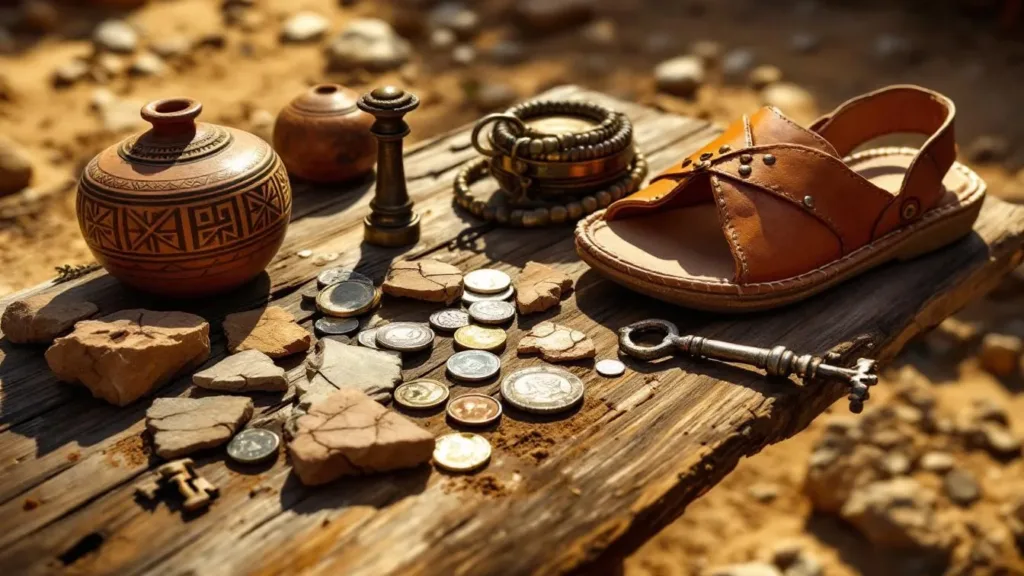
Archaeology serves as a captivating window into the rich tapestry of human history, with everyday objects acting as the threads that weave this narrative. In the context of Roman Britain, these artifacts offer incredible insights into daily life, cultural practices, and social structures during a time when the Roman Empire was at its zenith. From pottery and tools to personal items, the materials unearthed through excavations illuminate the realities of those who lived there centuries ago, allowing modern historians to piece together their stories, traditions, and interactions with the world around them.
Focusing on what these objects reveal about Roman daily life, an archaeologist’s perspective uncovers nuances of family and community dynamics, including feasting, craftsmanship, and trade. These artifacts don’t merely represent utilitarian functions; they embody the interplay of local customs and broader imperial influences, showcasing how Roman and native cultures fused. Through careful analysis, each item reflects values and beliefs that defined a society, offering a more intimate understanding of its people. Unexpected finds, such as children’s toys or remnants of meals, further underscore the human elements often overlooked in historical accounts.
Exploring Everyday Objects from Roman Britain
The discovery of everyday objects from the Roman Empire paints an intricate picture of life during this influential period. Items such as oil lamps, cooking utensils, and weaving tools reveal the routines of daily existence, while personal ornaments, like brooches and rings, offer insights into trends and social status. These artifacts not only showcase practical applications but also embody cultural significance, hinting at the aesthetics and values of the time.
In Roman settlements across Britain, the proximity of these artifacts often provides clues about community interactions. For instance, the presence of foreign trade goods alongside local produce suggests robust economic exchanges and cultural assimilation. Archaeologists meticulously examine these layers of deposition, enabling a broader understanding of how people adapted to changing circumstances and maintained their identities amidst imperial rule.
The Role of Material Culture in Understanding Society
Material culture is critical in studying past societies, particularly in understanding how objects shape daily experiences. Everyday items reflect not just personal choices but broader societal trends, offering a glimpse into the values and priorities of people in Roman Britain. For example, luxurious tableware signifies affluence and the adoption of Roman dining customs, highlighting the influence of the empire on local populations.
Excavations in urban and rural contexts provide contrasting perspectives: urban sites often yield a greater variety of goods, while rural artifacts might focus on agrarian lifestyles. As archaeologists continue their work, the comparative analysis of artifacts from these differing environments enhances the understanding of social stratification and community hierarchies. Each find contributes to a nuanced historiography that questions the conventional narratives of the past.
Lessons from Discoveries of Ancient History
The ongoing exploration of artifacts in Roman Britain serves as a reminder that our understanding of history is perpetually evolving. As new technologies enhance archaeological methods, the interpretation of previously unearthed items can shift dramatically. What may have once seemed trivial can unveil significant aspects of life, such as the role of women in domestic spaces or the importance of trade networks in daily existence.
Moreover, these insights invite reflection on contemporary society. What do today’s everyday objects say about our culture? As future archaeologists sift through our remnants, will they interpret our choices and values accurately, or will we be misunderstood as a society? Such questions resonate deeply, encouraging us to appreciate the historical narratives that shaped previous generations while considering our impact on the future.