
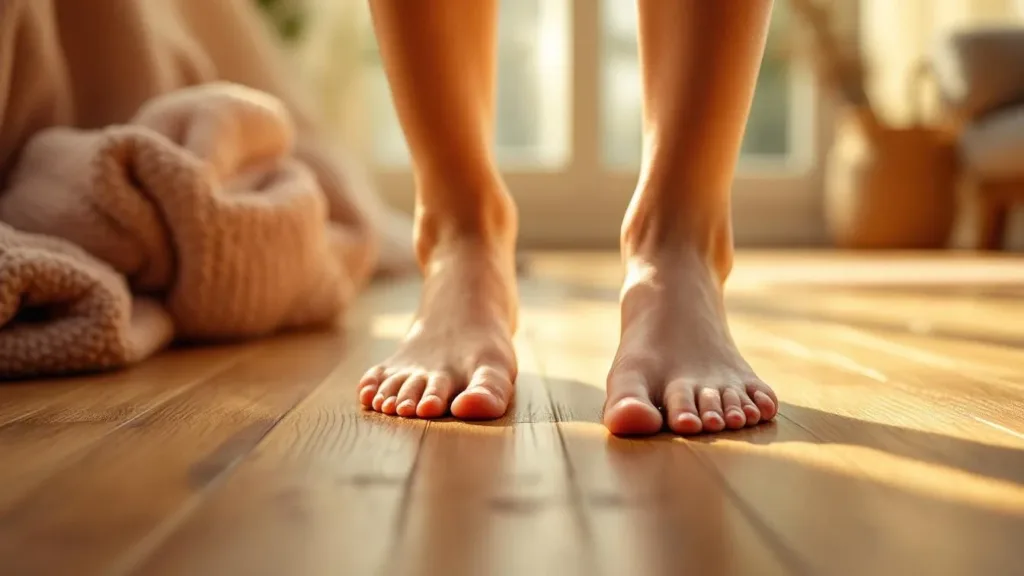
In an era dominated by convenience and comfort, many have come to view wearing shoes indoors as a norm. However, a growing cohort of experts, from healthcare professionals to physiotherapists, is championing the practice of walking barefoot at home. This seemingly minor adjustment can lead to significant long-term benefits, particularly regarding balance and stability. As our routines become increasingly sedentary, reconditioning the body to function as it was intended—by allowing the feet to engage with the ground naturally—can yield unexpected improvements. The transition to barefoot living invites a reconnection to sensory feedback, enhancing proprioception, and igniting the body’s natural mechanisms for maintaining balance.
Each foot consists of a complex structure of bones, joints, and muscles, adeptly designed for detecting environmental changes. When confined within shoes, especially those with thick soles and cushioning, this sensory feedback becomes muted. The connection to the ground is vital for delivering real-time data to the brain, which orchestrates adjustments that keep the body upright. By adopting a barefoot approach at home, the small muscles in the feet and ankles become actively engaged, vital for fortifying posture and enhancing equilibrium. The cumulative effect of this practice can transform not just foot health but also overall movement patterns, making daily tasks easier and safer.
Unlocking the Potential of Natural Movement
Unlike traditional footwear that alters the way one walks, walking barefoot facilitates natural movement patterns—allowing toes to spread, arches to flex, and weight to distribute evenly across the feet. This promotes alignment in the ankles and knees, enhancing overall body stability. In fact, many have reported improved core strength and reduced instances of injuries as the body relearns to engage the stabilizing muscles effectively.
The Link Between Feet and Balance
Understanding the relationship between foot health and balance is critical for anyone interested in maintaining independence as they age. Regularly engaging the feet by walking barefoot can significantly enhance proprioception—the body’s ability to perceive its position. This heightened awareness sharpens coordination and reaction times, essential skills for navigating everyday environments.
As experience shows, older adults particularly benefit from these practices. The mere act of moving around without shoes can integrate low-intensity balance training into their daily routines, leading to substantial improvements over time. Those who traditionally spent hours in supportive footwear may find initial discomfort, a sign that previously dormant muscles are awakening. The journey back to natural movement might take time, but the rewards—both in terms of physicality and enhanced confidence—are well worth the effort.
Creating a Safe Barefoot Environment
To maximise the benefits of barefoot walking, ensuring a safe home environment is paramount. Smooth, clean surfaces and well-lit areas reduce the risk of slips and falls. Rigid furniture arrangements should be revisited to eliminate hazards. Adding textured mats can further stimulate foot muscles and keep them engaged during daily routines, enhancing sensory feedback.
Listening to Your Body: Making the Transition
While the potential for improvement is immense, patience is crucial. Individuals should gradually incorporate barefoot walking into their routines, starting with short durations and progressively increasing exposure as foot strength develops. For those who have habitually relied on structured shoes, the sensation of walking barefoot may initially feel foreign. Respecting one’s own pace is essential, as muscle fatigue might signal the body’s adjustment period. In cases of underlying conditions, a discussion with a healthcare provider may offer tailored advice.
Ultimately, embracing the practice of walking barefoot at home can lead to meaningful improvements in balance, foot health, and overall stability. By reclaiming the connection with the ground beneath our feet, individuals can foster a physical resilience that resonates through every aspect of their lives.