
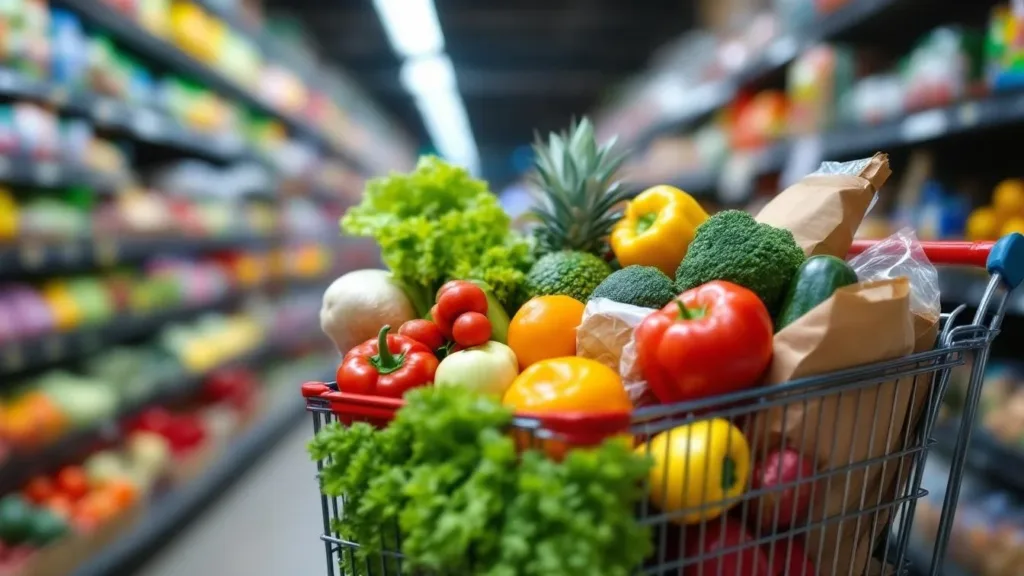
In recent months, families across the UK have felt the pinch as their grocery bills continue to rise steeply. This surge in food prices is more than just a passing trend; it reflects a complex web of factors contributing to the escalating cost of living. According to recent surveys, over half of consumers report that rising grocery costs are a significant source of stress, often eclipsing concerns over rent and healthcare. As prices soared by 3.2% in the last year alone, many are left wondering how to adapt their monthly expenses and manage their budgets effectively.
The roots of this price increase run deep, with the aftermath of the pandemic disrupting consumer behaviour and supply chains alike. An influx of new economic pressures, such as geopolitical conflicts and fluctuating tariffs on imported goods, have compounded the situation. For instance, the ongoing impacts of Russia’s invasion of Ukraine have led to spikes in essential commodities. Meanwhile, tariffs on items like bananas and coffee have further strained household budgets. Together, these elements create a perfect storm that drives consumers to reconsider their shopping tips and strategies to navigate the turbulent grocery landscape.
Factors Behind Rising Grocery Bills
Several interconnected factors are driving up grocery bills at an alarming rate. First, the pandemic fundamentally altered consumer habits, transitioning many households to prepare meals at home rather than dining out. As demand surged, so did the prices—particularly for staples that experienced supply chain disruptions. Since February 2020, grocery prices have risen by an astonishing 29%, according to the Bureau of Labor Statistics.
Coupled with these immediate concerns, global events have inflated costs even further. Tariffs imposed on a range of imported foods have added extra layers of expense, with coffee prices increasing by over 20% in the last year alone. These accumulating costs contribute to a growing sense of anxiety among many consumers, who now feel compelled to scrutinise their budgeting practices more than ever.
Adapting to the New Grocery Reality
As the landscape shifts, adapting to new shopping habits becomes essential. Many consumers are now making smaller, more frequent trips to the grocery store, often hunting for bargains and utilising coupons to offset some of the price increases. Choices are also reflecting a shift towards more economical brands, as shoppers look to stretch their budgets in the face of rising costs.
For instance, one bank employee shared her strategy of reducing meals to save costs, highlighting a trend where families are simplifying their diets to cope with rising expenses. The market now sees a lot of consumers searching their cupboards for less expensive meals, leading to an increased demand for budget-friendly options.
Strategies for Managing Your Grocery Budget
In light of these challenges, consumers can employ various strategies to better manage their grocery spending. Here are a few effective approaches:
- Plan Meals Ahead: Create weekly meal plans to help avoid impulse buys and reduce food waste.
- Shop Seasonal Produce: Focusing on in-season fruits and vegetables can significantly lower costs whilst ensuring fresh options.
- Bulk Buying: Consider purchasing non-perishable items in bulk during sales to save in the long run.
- Limit Processed Foods: Reducing intake of processed items can help cut costs and promote healthier eating.
By incorporating these tips, families can alleviate some of the burden from their grocery bills, fostering a more manageable financial situation. Knowledge of the factors driving costs can empower consumers to make informed shopping decisions and retain control over their budgets.