
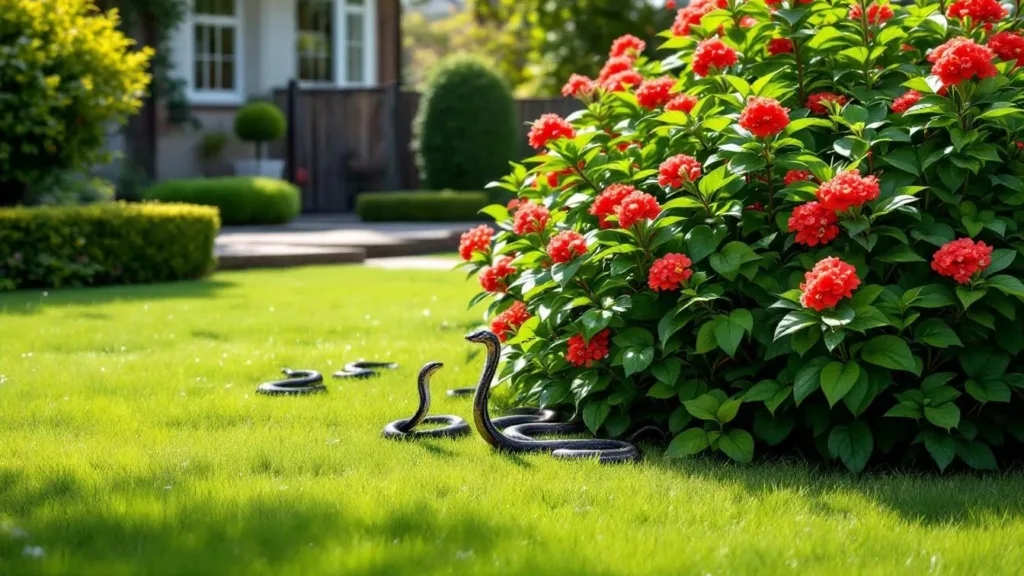
As spring blooms in gardens across the UK, so does the possibility of encountering snakes in your outdoor spaces. What was once a tranquil retreat can suddenly feel like a wildlife hotspot, particularly if new plants and flourishing growth attract these elusive reptiles. Many gardeners might feel a mix of curiosity and apprehension as they come to terms with this unexpected turn of events. Understanding why snakes are drawn to certain habitats is crucial for anyone hoping to maintain a peaceful garden while encouraging biodiversity.
Snakes are opportunistic creatures, favouring environments rich in food and shelter. With a healthy garden environment, they find an abundance of insects, small mammals, and even the occasional bird, all of which serve as easy meals. If recent planting efforts have unintentionally created this ideal habitat, it’s essential to explore effective management strategies. Not only does this ensure a safe space for children and pets, but it also limits the likelihood of unpleasant surprises during sunny outdoor activities.
Why is Your Garden at Risk of Becoming a Snake Habitat?
In any outdoor space, several factors can make your garden appealing to snakes. Food, water, and shelter are the primary reasons these reptiles may choose to inhabit your yard. Compact flower beds can attract insects and small creatures that serve as a food source, while dense shrubs or piles of debris can offer necessary cover for hunting. The more biodiversity your garden promotes, the greater the likelihood of unexpected wildlife sightings.
Identifying Signs of Snake Activity in Your Yard
Spotting snakes can be tricky, but paying attention to a few key indicators can help. Look for signs such as shed skins, S-shaped tracks in the soil, and tubular droppings that hint at their presence. Additionally, any peculiar rustling sounds or musky odours might indicate that snakes are nearby. Keeping an eye out for these elements not only helps in identifying any potential snake visitors but can also enhance your overall wisdom about maintaining a garden.
How to Coexist with Snakes in Your Garden
Embracing the presence of snakes might initially feel daunting, yet they play a crucial role in controlling pest populations. Many species are harmless and contribute positively to garden health by preying on rodents and insects. To make your yard less inviting to these reptiles, consider basic management strategies. Keeping food sources—like pet foods or bird feed—contained and clearing away any debris can effectively deter snakes.
Plants That May Help Deter Snakes
While there are various theories regarding plants that may naturally repulse snakes, many gardeners advocate for the inclusion of aromatic herbs and fragrant plants. Species like marigolds or lemongrass are thought to provide additional barriers, enhancing your garden’s protection while introducing beautiful scents and colours.
Maintaining a Snake-Free Outdoor Environment
Ultimately, the goal should be to create an outdoor environment that balances the vibrancy of nature with safety. Regular maintenance of your garden soil and structures can significantly reduce hiding spots for snakes, thus actively managing their presence. Be vigilant in monitoring areas where signs of snakes are evident—this proactive approach can prevent unwanted encounters and ensure a thriving garden.