
As winter settles in, the allure of cold weather hiking becomes irresistible, promising not just captivating landscapes but also significant health rewards. Contrary to the conventional wisdom that warm, sunny days are best for outdoor activities, studies highlight a range of science-backed benefits associated with braving the chill. From improved circulation to boosted immunity, winter hiking offers a unique way to enhance physical and mental well-being while enjoying nature’s serenity.
Incorporating cold exposure into outdoor exercise has been linked to fat burning and improved endurance, making cold weather hiking a double win for fitness enthusiasts. Furthermore, the peacefulness of snow-covered trails provides a backdrop for reflection and mental resilience, an often-overlooked aspect of outdoor adventures. This guide not only reviews the many advantages of hiking in cold weather but also equips outdoor adventurers with the knowledge needed to stay safe while navigating nature’s winter wonderland.
The Unique Rewards of Cold Weather Hiking
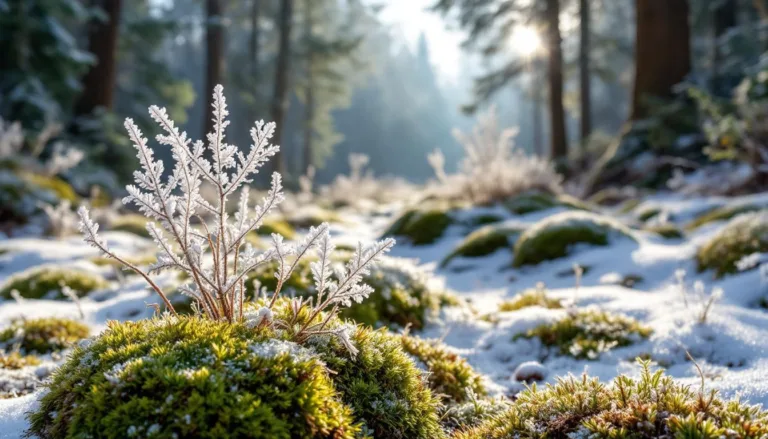
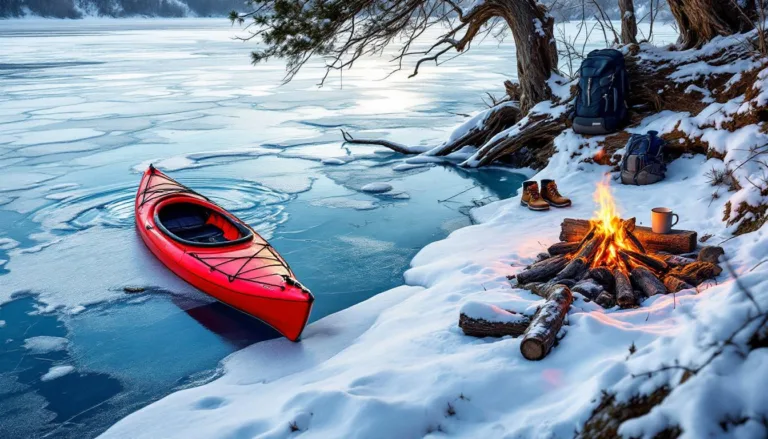
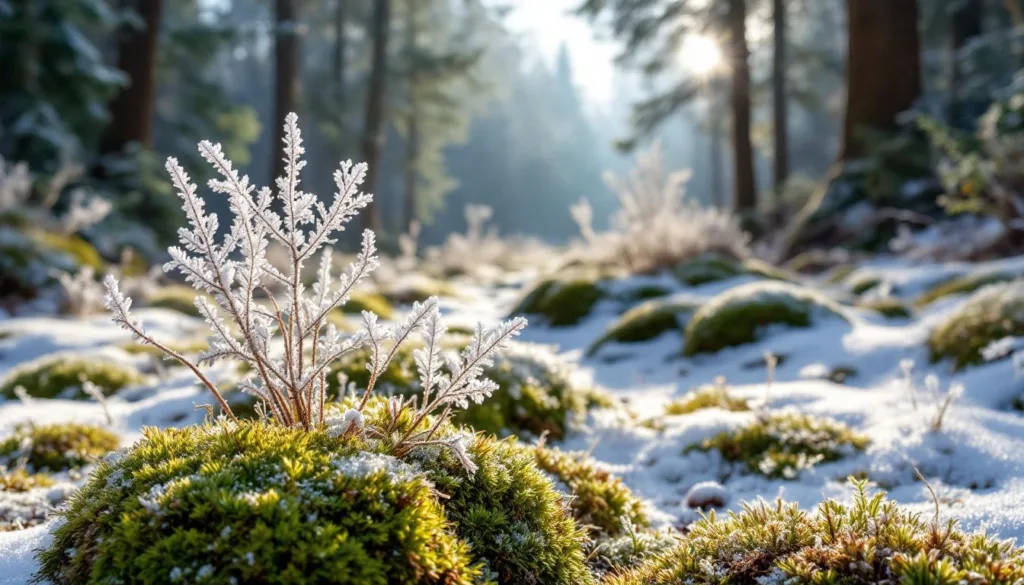
Hiking during the colder months transforms the outdoors into a magical escape. Unlike summer hikes bustling with crowds, winter trails often offer solitude, allowing hikers to enjoy nature’s beauty in peace. The landscapes, blanketed in snow, provide stunning visuals—frozen streams and frostbitten peaks create a miraculous picture that invigorates the senses.
Heightened Physical Challenge and Calorie Burn
The challenges of cold weather hiking are not merely spruced up scenery; they come with tangible physical benefits. Cold conditions require the body to work harder, resulting in greater caloric expenditure compared to warmer environments. The body burns more calories as it attempts to maintain a stable internal temperature while navigating the cold, effectively turning every hike into a superior workout.
Risks and Precautions in Cold Weather Hiking
While the benefits abound, winter trails also present distinct risks. Exposure to extreme cold can lead to conditions like hypothermia and frostbite if not approached with caution. Icy terrain poses a higher risk for slips and falls, making proper preparation essential for a safe and enjoyable experience.
Layering: A Key to Staying Warm
Effective layering is crucial for comfort and safety during winter hikes. It involves three primary layers: a moisture-wicking base layer to manage sweat, an insulating mid-layer for warmth, and a weatherproof outer layer to protect against the elements. This technique allows hikers to adjust their clothing based on changing conditions and activity levels.
Essential Gear for Cold Weather Hiking
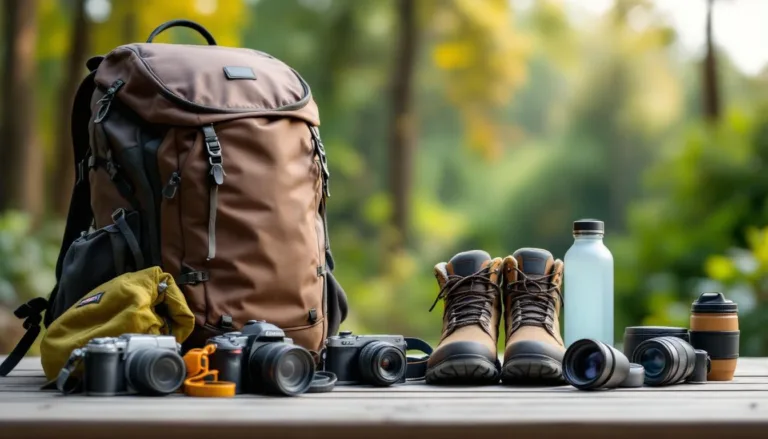
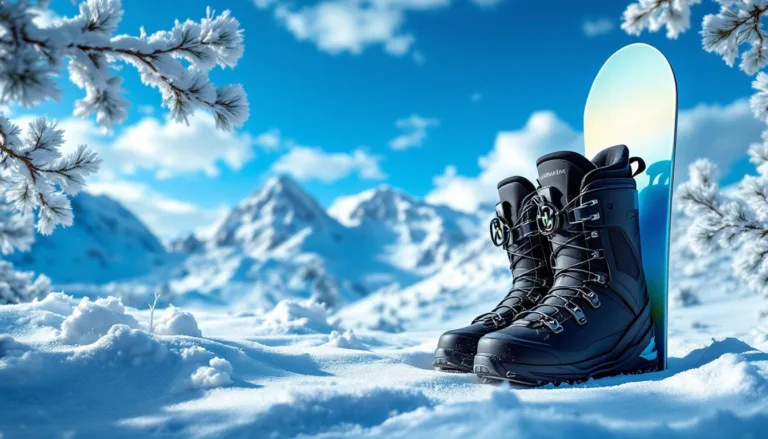
The right equipment can make all the difference in a successful cold weather hike. Insulated, waterproof boots with good traction are a must, alongside wool socks to keep feet warm and dry. Accessories like a fleece or wool hat, glove systems, and gaiters can dramatically increase comfort. Lastly, adding traction devices such as microspikes may be necessary for navigating icy trails.
Planning Your Winter Hiking Adventure
Preparation is key to a safe outing. Checking the weather forecasts helps in assessing potential risks such as blizzards or severe temperatures. Choosing well-marked trails, particularly for newcomers, ensures you make the most of your winter hiking experience.
Staying Safe and Enjoying the Journey
Monitoring one’s body is vital during cold hikes. Signs of hypothermia or frostbite should be recognized early, and staying hydrated is just as crucial in the cold as in warmer months. Despite the chill, the rewarding feeling of exploring winter-themed landscapes often rejuvenates the spirit, making the preparation worthwhile.
Embracing the Experience of Cold Weather Hiking
Taking the time to appreciate the unique beauty of winter can elevate any hiking experience. Cold weather hiking is not just about physical fitness; it’s an opportunity to engage with nature deeply, bolster mental health, and build lasting resilience. Keep extra layers in your pack, and don’t forget a thermos with a warming drink to enjoy along the journey.
What are the health benefits of cold weather hiking?
Cold weather hiking can enhance circulation, boost immunity, and improve mental resilience, along with offering challenging workouts and unique experiences.
How can I prepare for a cold weather hike?
Preparing involves dressing in layers, checking weather conditions, choosing well-marked trails, and ensuring you have the right gear, including insulated footwear and accessories.
Is cold weather hiking safe for beginners?
Yes, with proper preparation, beginners can safely enjoy cold weather hiking by selecting easier trails and ensuring they are well-equipped.