A flawless fade is not merely a hair trend; it’s a testament to barbering skill and technique. Achieving the perfect fade goes beyond just snipping hair; it demands a blend of precision, experience, and a deep understanding of hair and head shapes. Whether it’s a subtle low fade or a striking skin fade, the art lies in crafting seamless transitions that elevate the overall look. For those who seek high-quality grooming, knowing the secrets and techniques employed by skilled barbers can make all the difference in securing that sought-after style.
The Art and Science of a Perfect Fade
Understanding the anatomy of a fade haircut is crucial for delivering consistent results. The process involves careful mapping of fade lines and selecting the appropriate tools before any cutting begins. A clear communication with clients about their desired style sets the foundation for a successful haircut. Various fade styles—from low to high—are catered to different personal aesthetics, making it essential for barbers to assess head shapes and hair types to deliver the most flattering results.
Types of Fades and Their Impact
The fade haircut is versatile, adapting easily to individual needs and hair types. Low fades initiate just above the ears, offering subtle elegance, while mid fades provide balanced boldness, starting at the temple. High fades create sharp contrasts, perfect for a modern twist, whereas skin fades offer a strikingly clean look by tapering the hair down to the skin. Choosing the right fade height is critical, as it can dramatically change the appearance and style.
Preparation: The Key to Success
Every successful fade begins with a solid foundation. Proper preparation not only includes discussing the client’s preferences but also encompasses assessing hair texture and growth patterns. Barbers often dampen the hair to enhance control and accuracy, making the cutting process smoother. An organized workspace is equally important; having all necessary tools—clippers, guards, and trimmers—within reach ensures that the barber can work fluidly without interruptions.
Essential Tools for Creating a Flawless Fade
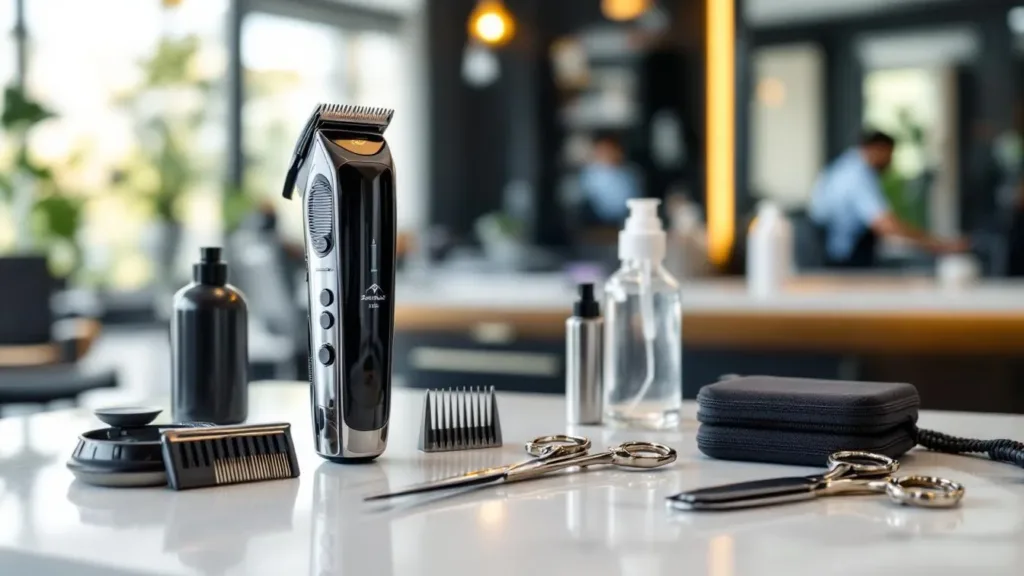
High-quality tools are indispensable for achieving the perfect fade. Professional clippers equipped with adjustable blades allow for seamless transitions between hair lengths. Trimmers provide the sharp edges necessary for refining the haircut, while straight razors are essential for creating the cleanest lines. Each tool serves a specific purpose, enhancing the barber’s ability to achieve precision and control throughout the fading process.
Mapping and Blending Techniques
After determining the desired fade style, barbers embark on the mapping process. Here, the hair is sectioned appropriately, creating clear boundaries for blending. This strategy prevents unintended cuts and promotes symmetry. Techniques like the clipper-over-comb method are fundamental, allowing barbers to control length while ensuring even blending. Additionally, using movements like flicking motion and C-shaped strokes can yield softer, more natural transitions between varied lengths.
Details and Finishing Touches
The final steps in the fade process can greatly influence the overall look. Barbers meticulously inspect the cut, ensuring each fade transition is smooth and seamless. Detailing around the hairline, neck, and beard area adds polish, helping the fade to stand out clearly. Using a straight razor for the finishing outlines sharpens the edges, while symmetrically checking angles helps maintain consistency on both sides of the head, ensuring a professional and sophisticated finish.