
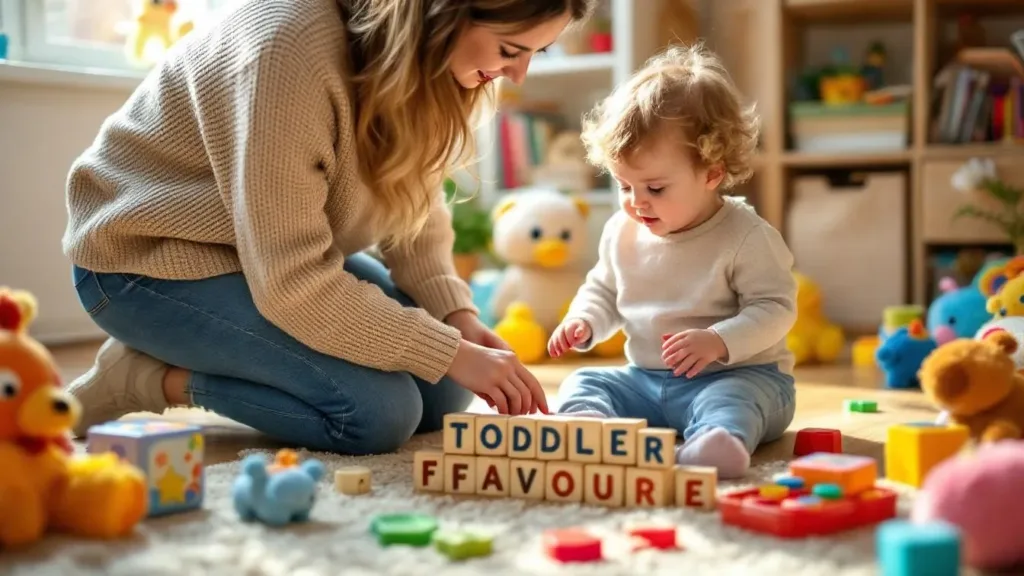
When toddlers start repeating words endlessly, it can be a source of both confusion and amusement for parents. Yet, this behavior is not just a quirky phase; it plays a vital role in their language development. Repetition in young children is a natural part of their language acquisition journey, revealing how they interact with their environment and learn to communicate. Through this seemingly endless cycle of echoing words, toddlers explore language, emotions, and the world around them.
Understanding why toddlers engage in repetition is crucial. They are not only practicing sounds but also testing their knowledge and seeking validation. Each time they repeat a word, they are building connections between sounds and meanings, a foundational element of effective communication. Moreover, repetition can be a method for toddlers to express emotions and reinforce memory, enhancing their cognitive development.
The Role of Repetition in Language Development
Research shows that repetition allows toddlers to form associations between words and their meanings. For instance, when a child hears the word “ball” while playing, they start to understand that the word refers to the object in front of them. This connection is critical for word learning.
Dr. Michelle Peter, a children’s language researcher, highlights that toddlers learn about cause and effect through their repeated actions. When a child stacks building blocks and sees one fall, they begin to understand the concept of stability. By repeating these actions and the associated language, they solidify their understanding of the world around them.
How Parental Response Shapes Learning
The role of parental response is profound. When parents acknowledge a toddler’s repetition, it gives them a sense of connection and validation. By echoing back what they say and adding a bit more context, caregivers can help expand their vocabulary. For example, if a toddler says “car,” a parent might respond, “Yes, that’s a blue car!” This practice not only reinforces the original word but also introduces new vocabulary.
Understanding the Drive Behind Repetition
For toddlers, repetition isn’t merely about practicing vocabulary; it serves multiple purposes. They often use repetitive phrases to capture attention and invite interaction. If a toddler continues to repeat a word while glancing at their parent, they are likely seeking affirmation or a reaction. This cycle of expectation and response reinforces their desire to communicate.
Additionally, toddlers imitate adults and peers as a primary mechanism for learning. Each time they echo a phrase, they are not just mimicking; they are experimenting with language and social interactions. This imitation helps them develop important social skills.
Emotional Insights Through Language
Repetition also serves as a window into a toddler’s emotional world. As they struggle to articulate their feelings, repeating specific words or phrases can be their way of expressing emotions like excitement or frustration. For instance, when a child repeatedly says “play,” it might be their way of expressing their enthusiasm for a particular activity.
This connection between language and emotion enriches their linguistic foundation, making it essential for caregivers to respond empathetically.
Promoting Effective Communication Skills
While repetition is beneficial, it’s equally important to encourage toddlers to expand their language skills. Parents can gently challenge their children by introducing new vocabulary in response to their repeated phrases. For instance, showing enthusiasm while adding context prompts toddlers to develop longer phrases or learn new words.
Engaging toddlers in storytelling can also be a fun way to enrich their language experience. Reading the same story multiple times helps reinforce vocabulary; children tend to recall new words better when familiar narratives are repeated. Just as important is the way parents tell the story—using varied tones and engaging with the child increases their interest and understanding of language.
Monitoring Language Development Progress
While repetition is a normal part of toddler speech development, parents should be aware of the broader context. If a child exhibits excessive or unusual repetition, it may be a sign to consult a speech-language pathologist. Such professionals can provide valuable insights into whether the child is developing appropriately or if additional support is needed. Monitoring these milestones allows parents to ensure their child is on track.
Every repeated word or phrase is a stepping stone in a toddler’s linguistic journey. Embracing this stage with joy and understanding not only celebrates their growth but also enhances their communication skills, paving the way for further language development.